

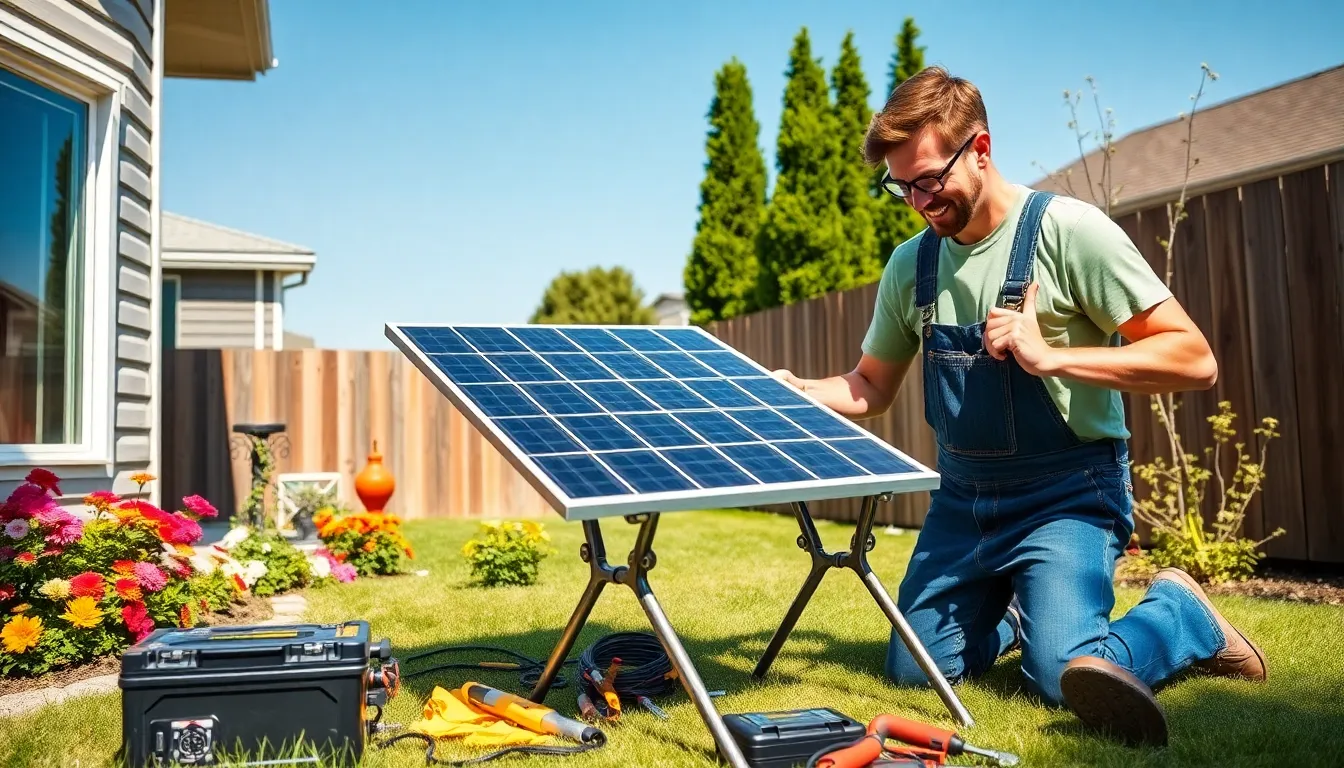
As homeowners increasingly seek sustainable energy solutions, DIY solar projects present an attractive option. One innovative concept that’s gaining traction is the “Solar Pangolin”, a creative way to harness solar energy for personal use. HomeRocket Realty understands the importance of eco-friendly investments and supports homeowners on their journey to renewable energy. This article explores DIY solar projects, the benefits of solar energy, the specific materials and methods to construct a Solar Pangolin, and what the future holds for DIY solar solutions.
Understanding DIY Solar Projects
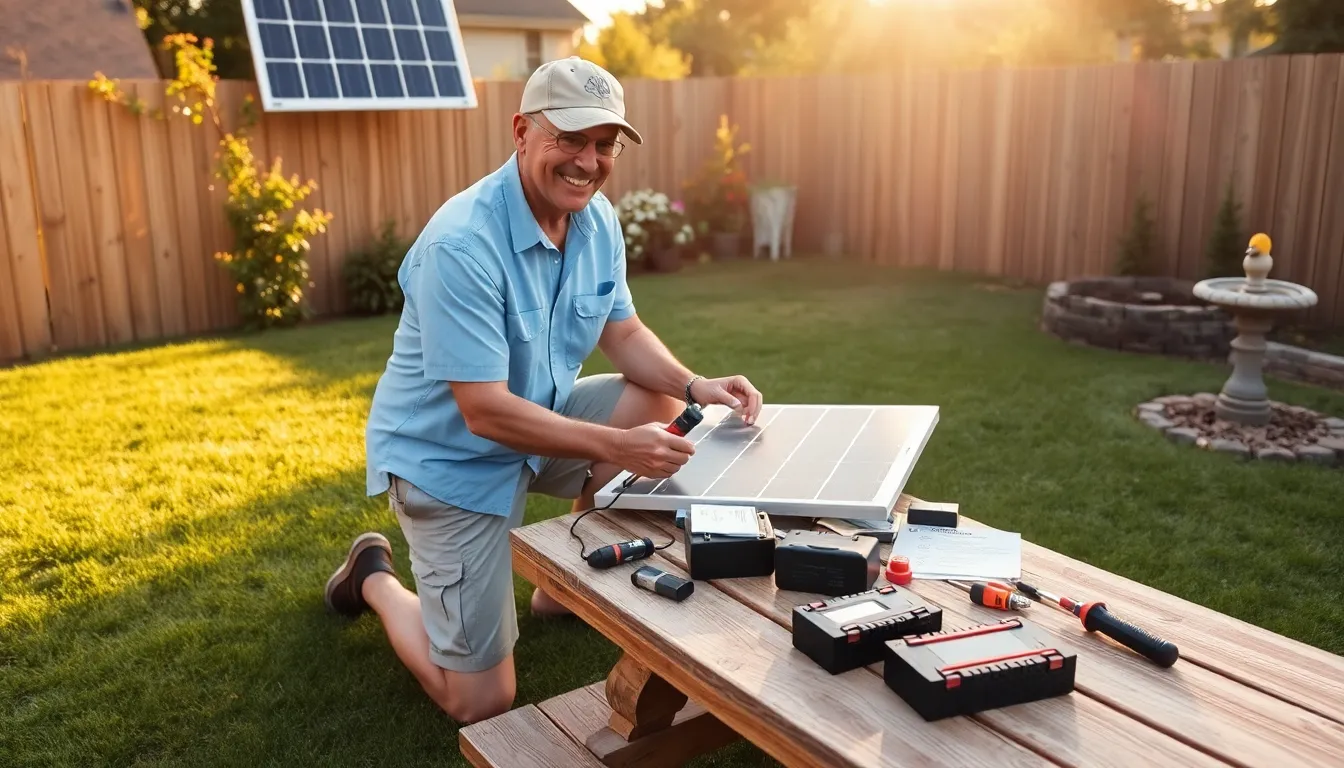
DIY solar projects are designed to empower homeowners to take control of their energy consumption and reduce reliance on traditional power sources. These projects can range from small-scale installations, like solar-powered garden lights, to larger systems capable of fully powering a home.
The allure of DIY solar projects lies in their accessibility and affordability. Many homeowners find satisfaction not only in reducing their carbon footprint but also in engaging in hands-on activities that harness the energy of the sun.
With proper planning and a bit of research, these projects are achievable for enthusiasts of all skill levels. The DIY approach encourages creativity and innovation in harvesting renewable energy, making it an exciting venture for those looking to lead a more sustainable lifestyle.
Benefits of Solar Energy for Homeowners
Investing in solar energy provides numerous advantages for homeowners.
- Cost Savings: The primary appeal is the potential reduction in energy bills. By generating your own electricity, you can significantly cut your monthly costs.
- Environmental Impact: Solar energy is clean and renewable, contributing to a decrease in greenhouse gas emissions. When homeowners shift to solar, they play an active role in combating climate change.
- Increased Property Value: Homes equipped with solar power systems often see an increase in market value. Buyers increasingly prioritize energy efficiency, making solar installations an attractive feature.
The Pangolin Model: An Innovative Approach
The Solar Pangolin model represents a unique solution for those looking to integrate solar energy into their homes. Inspired by the sturdy and adaptable nature of the pangolin, this model can be customized to fit various household needs. It offers flexibility in scale, meaning both small apartments and larger homes can benefit. The Pangolin model stands out due to its modular design, allowing homeowners to expand their solar capacity incrementally as they grow more comfortable with the technology.
Materials Needed for DIY Solar Pangolin
To embark on building a Solar Pangolin, a variety of materials will be required. Here’s a concise list to get started:
- Solar Panels: Choose panels that fit your energy needs.
- Battery Storage System: For storing excess energy.
- Inverter: Converts the solar energy into usable electricity for home appliances.
- Mounting Hardware: To secure the solar panels.
- Wire and Connectors: Essential for connections between components.
- Safety Gear: Always prioritize safety when working on DIY projects.
Step-by-Step Guide to Building Your Solar Pangolin
- Design Your Layout: Plan where the solar panels will be installed, either on your roof or in your yard.
- Install the Mounting Hardware: Securely fasten your structure to withstand environmental factors.
- Attach the Solar Panels: Connect panels to the mounting structure, ensuring they are securely anchored.
- Connect the Inverter: Link the solar panels to an inverter to convert the energy.
- Set Up Battery Storage: Connect the battery system to store energy for later use.
- Conduct Safety Checks: Before powering anything, ensure all connections are secure and safe.
Setting Up Your Solar Power System
Completing the installation of a Solar Pangolin doesn’t end with the physical structure. Homeowners need to:
- Connect their system to the local grid if required.
- Register for any applicable rebates or incentives.
- Monitor energy usage and production to optimize efficiency.
Maintenance and Troubleshooting Tips
Maintaining a DIY solar system is generally straightforward. Regular cleaning of the solar panels ensures they are not obstructed by dirt or debris, which can hinder performance.
Check connections regularly to prevent power loss. If the system isn’t performing as expected, consider these troubleshooting steps:
- Verify that panels are receiving adequate sunlight.
- Inspect the wiring for damage or loose connections.
- Monitor battery charge levels, as these need careful management.
Carrying out regular maintenance can prolong the lifespan of your solar system and ensure consistent performance.
Future of DIY Solar Energy Solutions
The future of DIY solar energy solutions looks promising as advancements in technology continue to emerge. Innovations such as more efficient solar panels, affordable battery storage, and smart home integration are paving the way for increased accessibility.
As awareness about environmental issues grows, so does interest in renewable energy options among homeowners. The Solar Pangolin model exemplifies how creativity can transform energy consumption patterns in households. With environmentally-friendly construction gaining momentum, DIY enthusiasts can expect to see more resources and community support available for solar projects.
Looking ahead, DIY solar solutions are likely to become more user-friendly and integrated with smart technology, offering even greater efficiency and convenience.
Conclusion
DIY solar projects, especially innovative concepts like the Solar Pangolin, provide homeowners with powerful tools to take control of their energy needs while contributing positively to the environment. HomeRocket Realty encourages those interested in sustainable living to explore these options, harnessing the sun’s energy for both economic and environmental benefits. As technology advances and DIY solutions become more accessible, the dream of a self-sustaining, eco-friendly home can become a reality for more homeowners than ever.