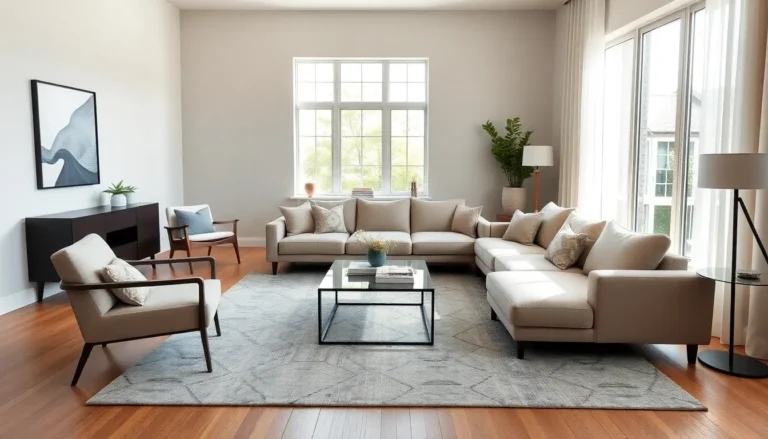


Step into a time machine and travel back to the fabulous 1990s, where home interiors were a glorious mix of bold colors and eclectic styles. Remember the days of oversized furniture, floral patterns, and that unmistakable scent of potpourri? Whether it was the iconic pastel palettes or the rise of the open-concept living space, the ’90s had a flair for making homes feel both cozy and a little bit quirky.
Overview of Home Interiors Catalog 1990s
The 1990s marked a significant era in home interiors, characterized by diverse styles and trends. Homeowners embraced vibrant colors, mixing bold hues with subtle pastel tones. Oversized furniture became a staple, providing comfort while making a statement in living spaces.
Floral patterns adorned fabrics and wallpapers, creating a nostalgic and inviting atmosphere. Open-concept living spaces gained popularity, allowing for fluidity between rooms and enhancing social interaction. Home interiors often featured eclectic designs, combining different styles to form a unique aesthetic.
Popular materials included wood, glass, and soft textiles, focusing on both functionality and style. Accessories played a crucial role, with plants, artwork, and decorative items enhancing visual appeal. The influence of pop culture and television also shaped interior choices, reflecting contemporary trends.
Items such as bean bag chairs and futons offered casual seating options, catering to a laid-back lifestyle. Light fixtures showcased innovative designs, adding character to spaces. Home offices emerged as essential parts of many households, driven by technological advances.
Regional influences shaped home interiors too, with coastal themes and rustic designs making their mark. The ’90s catalog illustrated a blend of comfort, creativity, and individuality. This period set the foundation for future trends, leaving a lasting legacy on interior design.
Key Trends in 1990s Home Interiors
The 1990s showcased distinctive interior trends marked by vibrant aesthetics and innovative designs. Homeowners emphasized creative expressions and a sense of comfort.
Color Palettes
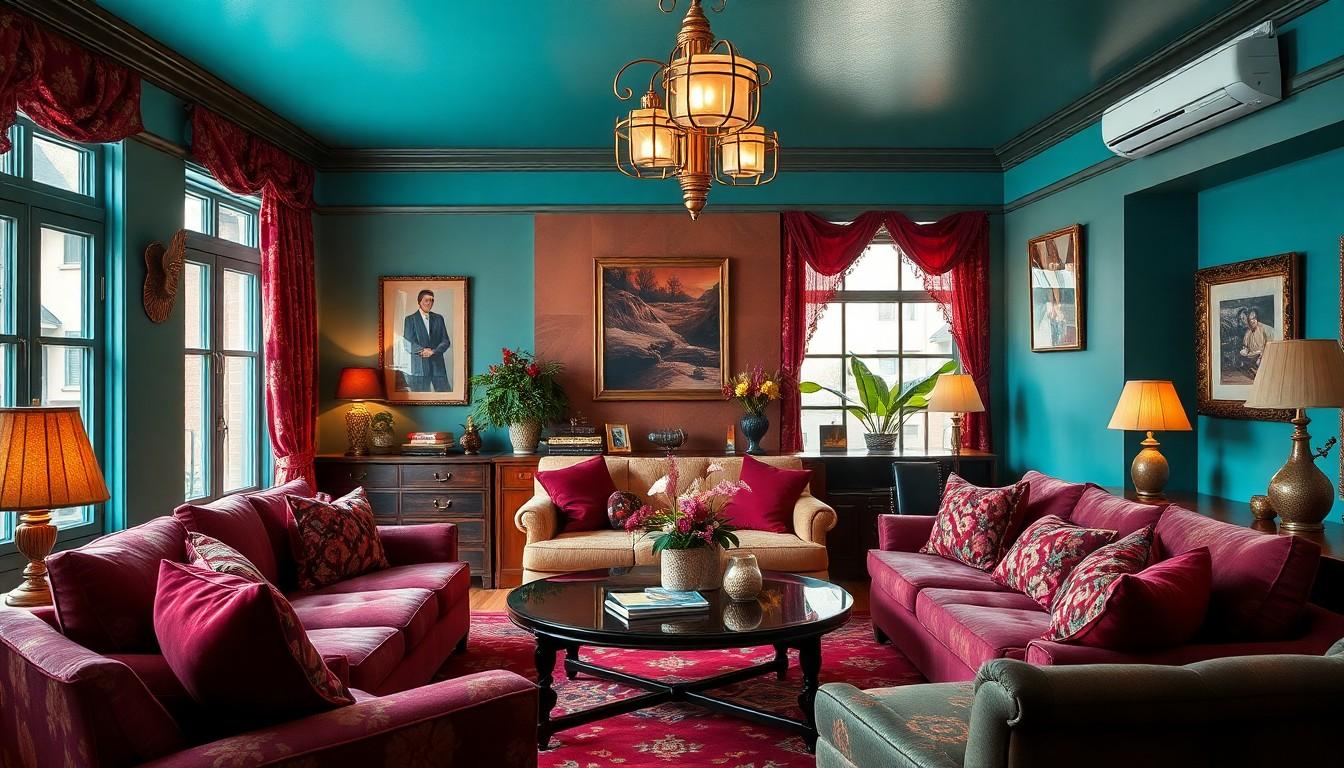
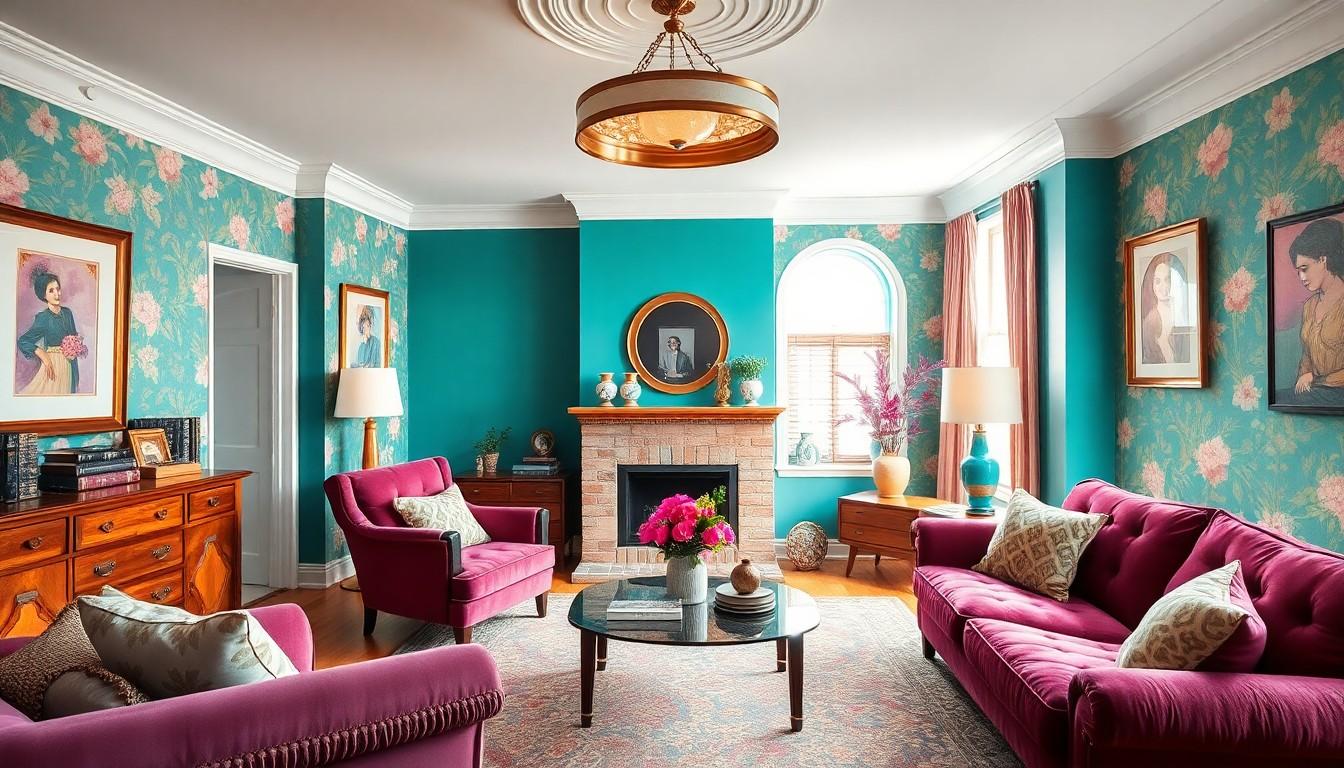
Bold colors defined this era, with many opting for vibrant shades like teal, mauve, and deep burgundy. Pastel colors also enjoyed popularity, allowing homeowners to achieve a softer look alongside bolder hues. Floral patterns often adorned wallpaper and fabric, creating an inviting atmosphere. Mixing colors became a common practice, producing unique, personalized spaces. Bright accents frequently contrasted with neutral backdrops, providing visual interest. Room designs often featured statement pieces that drew attention through color harmony.
Popular Materials
Wood remained a favored material, providing warmth and character to various furnishings. Glass elements complemented wooden pieces, adding a modern touch to interiors. Soft textiles, including plush fabrics and velvets, offered comfort while enhancing aesthetics. Home accessories usually featured a blend of natural and synthetic materials, creating a layered effect in decor. Bold designs emerged in light fixtures, often utilizing metallic finishes. Each material contributed to a cozy yet stylish ambiance, reflecting the eclectic nature of the decade.
Iconic Home Decor Items
The 1990s introduced a variety of distinctive home decor items that defined interior spaces. Many homeowners embraced furniture styles that priorititized comfort and personality, showcasing creativity through their selections.
Furniture Styles
Bold choices characterized furniture styles during this decade. Oversized sofas created lounge-like atmospheres, inviting relaxation. Sectionals in vibrant hues, such as teal and burgundy, became focal points in living rooms. Additionally, casual seating options included futons and bean bag chairs, appealing to the laid-back lifestyle. Many furnishings featured soft textiles, promoting warmth and coziness. Country-style wooden tables and chairs added a rustic touch, enhancing informal dining experiences. In contrast, glass-topped tables with chrome legs introduced a modern flair, balancing traditional elements with contemporary aesthetics.
Decorative Accessories
Decorative accessories played a significant role in the overall aesthetic of ’90s interiors. Plants such as ferns and pothos contributed to a sense of tranquility and connectedness to nature. Wall art, from framed posters to abstract pieces, provided visual interest and personalized spaces. Decorative pillows in bold patterns and colors adorned sofas, echoing the vibrant palette of the era. Light fixtures gained prominence, with unique designs such as pendant lamps and track lighting enhancing ambiance. Sheer curtains offered a soft touch, filtering natural light while adding a whimsical feel. Candles in varying sizes and colors served both functional and decorative purposes, creating inviting atmospheres.
The Influence of 1990s Catalogs on Today’s Design
1990s catalogs played a pivotal role in shaping contemporary interior design trends. Oversized furniture maintains its relevance, as modern homeowners still favor comfort and spaciousness. Bright colors like teal and burgundy find their way into today’s palettes, highlighting a continued appreciation for bold aesthetics. Pastel hues often complement these tones, creating harmony in modern interiors.
Materials once popular, such as wood and glass, continue to dominate today’s spaces. Homeowners enjoy mixing textures to achieve a cozy atmosphere, reminiscent of the ’90s flair. Casual seating arrangements bring a laid-back vibe, with items like bean bag chairs making a comeback in modern design. Innovative light fixtures remain essential, adding personality and character to rooms.
Floral patterns and bold prints are re-emerging, inspiring current trends in textiles and wallpapers. Statement pieces serve a similar purpose today as they did in the 1990s, capturing attention and generating conversations. Decorative accessories, including plants and wall art, enhance aesthetics while promoting a sense of individuality.
Open-concept living spaces evolve from ’90s designs, accommodating today’s lifestyle preferences. Spaces encourage fluidity and connection among various areas, reflecting a desire for social engagement. Influences from pop culture persist, often guiding design choices and personal expressions within homes.
Coastal and rustic themes from the 1990s also remain significant in modern decor. These themes foster warmth and invite relaxation, appealing to those seeking comfort in their surroundings. Home offices, reflecting technological advancements, continue thriving as essential areas within contemporary homes. Overall, the legacy of 1990s catalogs endures, significantly impacting today’s interior design landscape.
The home interiors of the 1990s left an indelible mark on design trends that continue to resonate today. With its unique blend of bold colors oversized furniture and eclectic styles it fostered a sense of comfort and creativity. The era’s emphasis on personalization and casual living laid the groundwork for contemporary aesthetics.
As modern homeowners draw inspiration from the past the vibrant palettes and innovative designs of the ’90s serve as a reminder of the importance of individuality in home decor. The legacy of this decade remains evident in today’s interiors where nostalgia meets innovation creating spaces that are both inviting and stylish.