

Imagine stepping into a home that feels like it was plucked straight from your dreams—every corner whispering your unique style. Custom home interiors offer that magical touch, transforming spaces into personal sanctuaries that reflect who you are. No more cookie-cutter designs; it’s time to unleash creativity and let those Pinterest boards come to life!
Understanding Custom Home Interiors
Custom home interiors represent a transformative approach to design, focusing on personal expression and unique aesthetics. They cater to individual preferences, moving away from generic solutions to create tailored living environments.
Definition and Importance
Custom home interiors refer to personalized interior spaces designed to reflect the homeowner’s tastes and lifestyles. Such designs prioritize individuality, ensuring that every element contributes to a cohesive vision. Importance lies in their ability to enhance comfort and functionality while also increasing property value. Customization meets specific needs, leading to greater satisfaction with one’s living space.
Key Features of Custom Home Interiors
Key features define the essence of custom home interiors. Personalization stands at the forefront, allowing homeowners to select colors, materials, and layouts that resonate with their unique styles. Flexibility in design encompasses various architectural elements, integrating styles from modern to traditional. High-quality materials enhance durability and aesthetic appeal, making spaces unique. One can also expect a focus on functionality, where designs reflect the practical needs of daily living. Custom storage solutions maximize space efficiency, ensuring that every inch serves a purpose. Each feature combines to create harmonious and inviting environments.
Design Trends in Custom Home Interiors
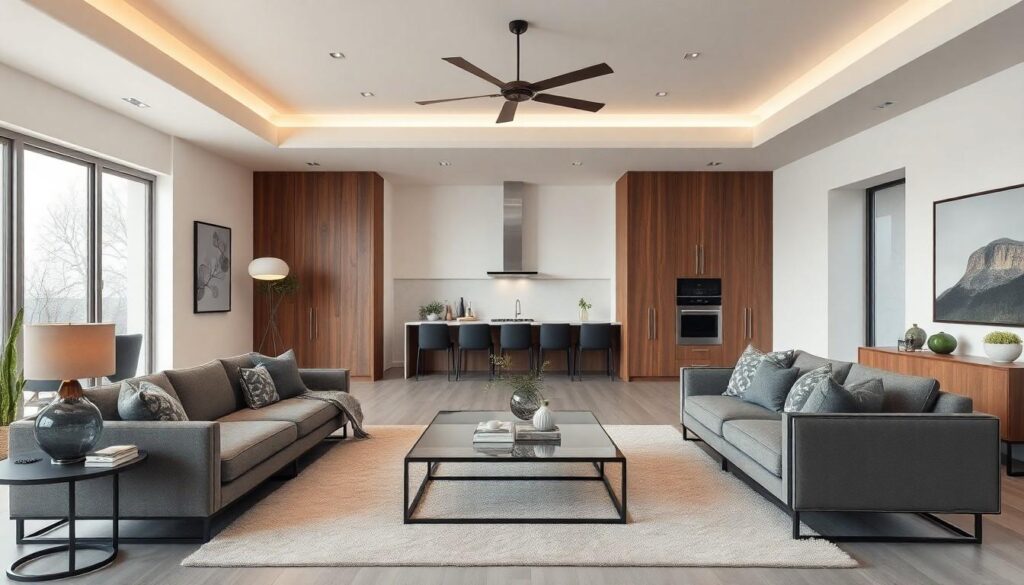
Custom home interiors reflect current trends that elevate both aesthetics and functionality. Homeowners increasingly seek designs that merge style with individual expression.
Modern Aesthetics
Contemporary design emphasizes clean lines and open spaces. Neutral color palettes paired with bold accents create striking visual contrasts. Textured materials and geometric shapes add depth and interest to interiors. Mixing vintage and modern elements fosters unique character. Homeowners embrace minimalism, allowing for more spacious and breathable environments. Transparent furniture pieces can enhance light flow and visual openness. Custom lighting installations further elevate the modern aesthetic, transforming spaces into dynamic art pieces.
Sustainable Materials
Using sustainable materials has gained traction in custom home design. Environmentally friendly options include bamboo, reclaimed wood, and recycled metal. Low-VOC paints and finishes contribute to healthier indoor air quality. Homeowners appreciate the durability and longevity of these materials, fostering responsible consumption. Eco-friendly fabrics for upholstery add both comfort and style. Incorporating energy-efficient appliances and fixtures boosts sustainability while reducing utility costs. Building with sustainable materials aligns with a growing awareness of environmental impact, making homes both beautiful and responsible.
The Process of Creating Custom Home Interiors
Creating custom home interiors involves a systematic approach that ensures every detail aligns with the homeowner’s vision. The process often begins with understanding specific requirements and preferences.
Initial Consultation
During the initial consultation, designers meet with clients to discuss their ideas, preferences, and budget. This interaction helps establish a clear vision for the project. Designers may ask about favored colors, styles, and essential features. Collaboratively exploring existing inspirations, like Pinterest boards, often sparks creative ideas. Taking detailed notes during this phase becomes crucial, as these insights guide the design process.
Design and Planning
The design and planning phase translates ideas into realistic concepts. Designers create sketches or digital models to visualize the proposed interiors. Material selections form an essential part of this stage, focusing on quality and sustainability. Feedback from the client significantly impacts adjustments and refinements. Planning integrates functionality with aesthetics by ensuring efficient layouts that enhance daily living. Finalizing the design involves confirming all aspects to align with the homeowner’s expectations.
Execution and Installation
Execution and installation turn the approved designs into reality. This phase often involves coordinating various trades and ensuring all elements arrive on schedule. Builders and contractors provide the necessary expertise to execute intricate details. Each installation stage requires adherence to design specifications to maintain harmony throughout the space. Throughout this phase, communication remains vital to address any unforeseen adjustments quickly. Homeowners often find excitement in watching their personalized spaces come to life.
Benefits of Choosing Custom Home Interiors
Custom home interiors provide numerous advantages that enhance living spaces. Homeowners often prefer designs that reflect their unique styles and preferences.
Personalization
Personalization stands at the forefront of custom home interiors. Homeowners enjoy tailoring every aspect of their space, from color schemes to layouts. A custom interior allows for personal touches that resonate on an emotional level. Unique elements, such as custom cabinetry or handcrafted furniture, elevate aesthetic appeal. Many homeowners also prioritize selecting materials that align with their lifestyle needs, fostering a sense of belonging. Decisions made during the design process result in a space that genuinely reflects individual style. Flexibility in design choices further reinforces the importance of personalization in creating inviting environments.
Increased Home Value
Increased home value often accompanies custom home interiors. High-quality materials elevate both appearance and durability, appealing to potential buyers. A unique design can make a home more memorable and attractive in a competitive market. Custom interiors frequently feature innovative storage solutions that maximize utility, creating a functional living space. Such enhancements lead to a higher return on investment when homeowners decide to sell. Buyers consistently look for features that stand out, and custom designs fulfill that demand effectively. Improved overall functionality combined with aesthetic appeal supports the long-term value of the property.
Custom home interiors offer a unique opportunity for homeowners to create spaces that truly reflect their personalities and lifestyles. By prioritizing personal expression and functionality, these designs not only enhance comfort but also elevate the overall value of a property.
As trends continue to evolve towards sustainable and innovative solutions, homeowners can enjoy both beauty and responsibility in their choices. The collaborative process of designing custom interiors fosters a sense of ownership and excitement, transforming visions into reality.
Ultimately, investing in custom home interiors is more than just a design choice; it’s a commitment to creating a living environment that resonates deeply with individual preferences and aspirations.